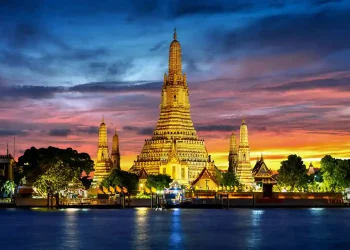


The transition from a stable office desk to a laptop on a beach in Thailand or a café in Tokyo isn’t just a change of scenery. It’s a total redesign of how you view “work.”
My journey didn’t happen overnight. It was a calculated shift from the traditional corporate world to a life where my office is wherever the Wi-Fi is strong and the coffee is fresh. If you’ve been dreaming of trading the commute for a passport, here is how I did it.
The Turning Point: Leaving the Cubicle Behind
Before I was “Kakashi the Nomad,” I was an employee at a Telecom company (around 2016–2017). It was a stable path, but I felt the pull of something more. I loved the technical side of the work, but I hated that it was tied to a specific zip code.
In 2018, I made the jump. I transitioned into the world of freelance web development and content writing. By combining my technical skills with my love for sharing knowledge, I created a “portable” career.
Redefining the “Work-Life Balance”
People often think being a digital nomad is a permanent vacation. In reality, it’s about integration, not just balance.
- The 2018 Shift: Early on, I realized that as a freelancer, you don’t have a boss to tell you when to stop. I had to learn to set my own “closing time.”
- The “Travel First” Rule: I don’t travel for work; I work around my travel. This means choosing destinations that inspire me, then carving out deep-work blocks so I can enjoy the location guilt-free.
- Skill Synergy: Being both a developer and a writer allows me to switch gears. If I’m tired of coding, I write. If I have writer’s block, I dive into a React project. This variety keeps me from burning out.
The Three Pillars of Freedom
For me, being a digital nomad boils down to three specific types of freedom:
- Location Freedom: The ability to move according to the seasons or my mood.
- Schedule Freedom: Working during my peak productivity hours (whether that’s 5 AM or midnight).
- Intellectual Freedom: The power to choose projects that actually interest me, specifically those that allow me to share knowledge with others.
My Advice for Aspiring Nomads
If you are looking to choose your own path, start by building a “bridge” like I did:
- Develop a “Hard” Skill: Whether it’s web development, SEO, or design, you need a skill that provides high value remotely.
- Start While You’re Employed: I didn’t quit the Telecom job without a plan. I began building my freelance portfolio first.
- Focus on Documentation: Since I love sharing knowledge, I document my processes. This makes me a better freelancer and helps me connect with the community.
Freedom isn’t just about the absence of a boss; it’s about the presence of choice. Choosing to be a digital nomad was the best decision I ever made for my mental health and my career.
Are you thinking about making the jump into freelance development? I’d love to hear what’s holding you back or what your dream destination is!