
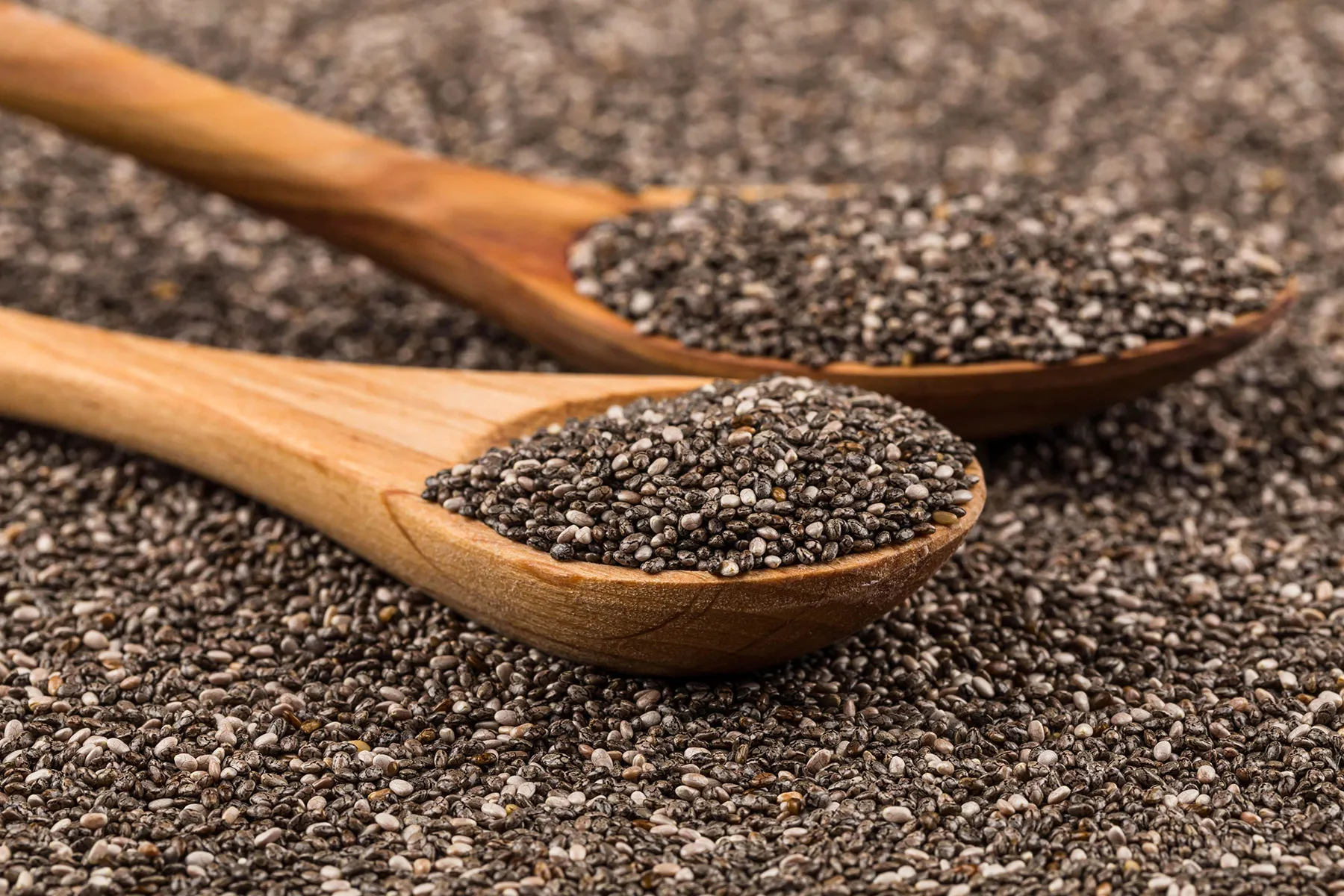

Chia seeds may be small, but their nutritional impact is nothing short of extraordinary. Derived from the Salvia hispanica plant, these ancient staples were once a dietary foundation for the Aztecs and Mayans, who prized them for sustainable energy. Today, modern science confirms what these ancient civilizations intuitively knew: chia seeds are a nutritional powerhouse packed into a minuscule package.
One of the most striking features of chia seeds is their exceptional nutrient density. In just a two-tablespoon serving, you receive a significant portion of your daily requirement for fiber, protein, and essential minerals like manganese, magnesium, and phosphorus. Unlike many other seeds, chia is also an excellent plant-based source of alpha-linolenic acid, a type of omega-3 fatty acid crucial for heart health.
These seeds are also brimming with antioxidants. These compounds do more than just protect the sensitive fats in the seeds from going rancid; they also neutralize reactive molecules known as free radicals, which can damage cell compounds if they build up in your body.
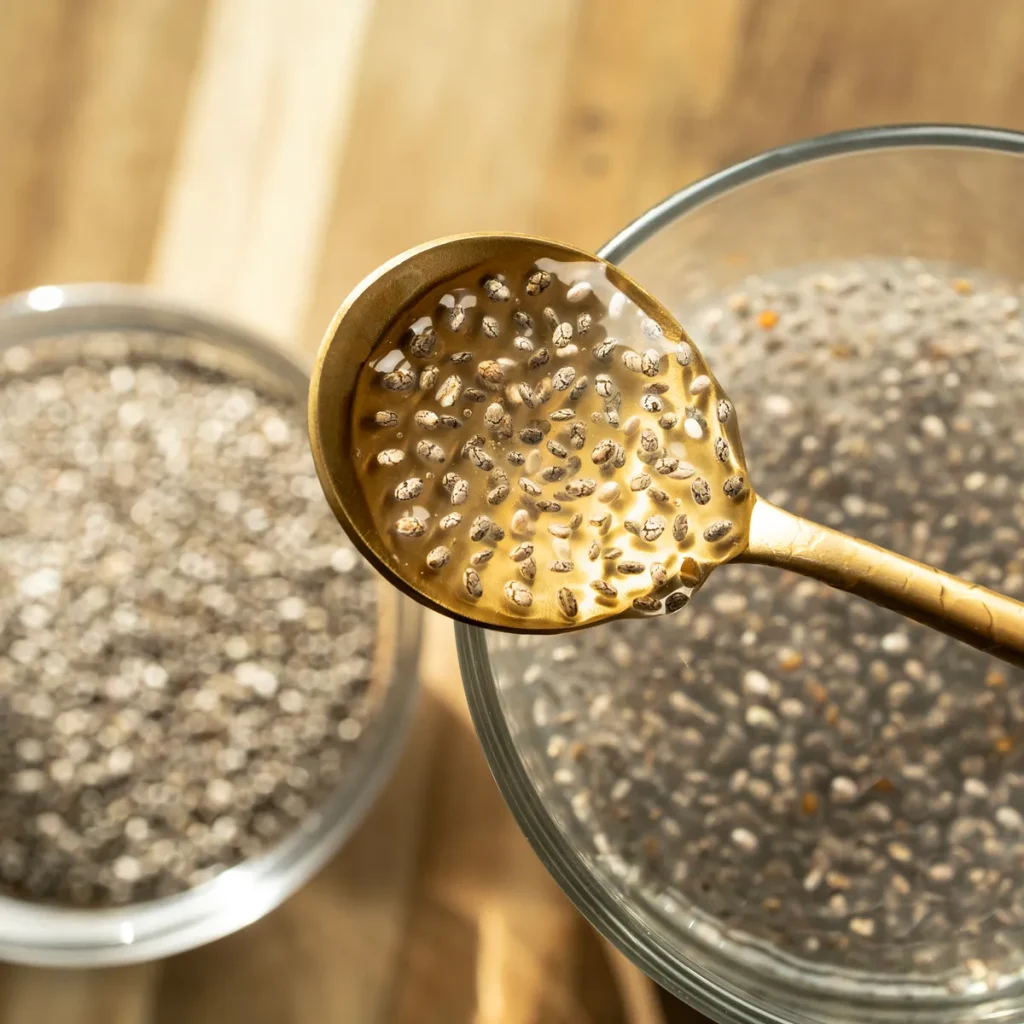
For those focused on weight management, chia seeds offer a distinct advantage due to their high fiber and protein content. The soluble fiber in the seeds absorbs large amounts of water and expands in your stomach, which helps increase fullness and slow the absorption of food. While clinical studies on weight loss provide mixed results, the combination of satiety-inducing fiber and muscle-supporting protein makes them a functional addition to a healthy diet.
Beyond weight management, chia seeds support cardiovascular and metabolic health. Their high fiber content is linked to a lower risk of heart disease by potentially reducing blood pressure and LDL cholesterol levels. Additionally, research suggests that chia seeds may help regulate blood sugar levels, particularly by stabilizing glucose levels after meals and improving insulin sensitivity.
Furthermore, the impressive concentrations of calcium, phosphorus, and magnesium are vital for maintaining bone mineral density. For individuals who do not consume dairy, chia seeds serve as an excellent alternative source of these bone-strengthening minerals.
Perhaps the most appealing aspect of chia seeds is their versatility. They have a mild, nutty flavor that complements both sweet and savory dishes without overpowering them. They can be stirred into yogurt, blended into smoothies, or used as a thickening agent in sauces and puddings. Because they do not need to be ground like flaxseeds, they are incredibly easy to incorporate into your daily routine, providing a simple yet effective way to elevate your overall nutritional intake.