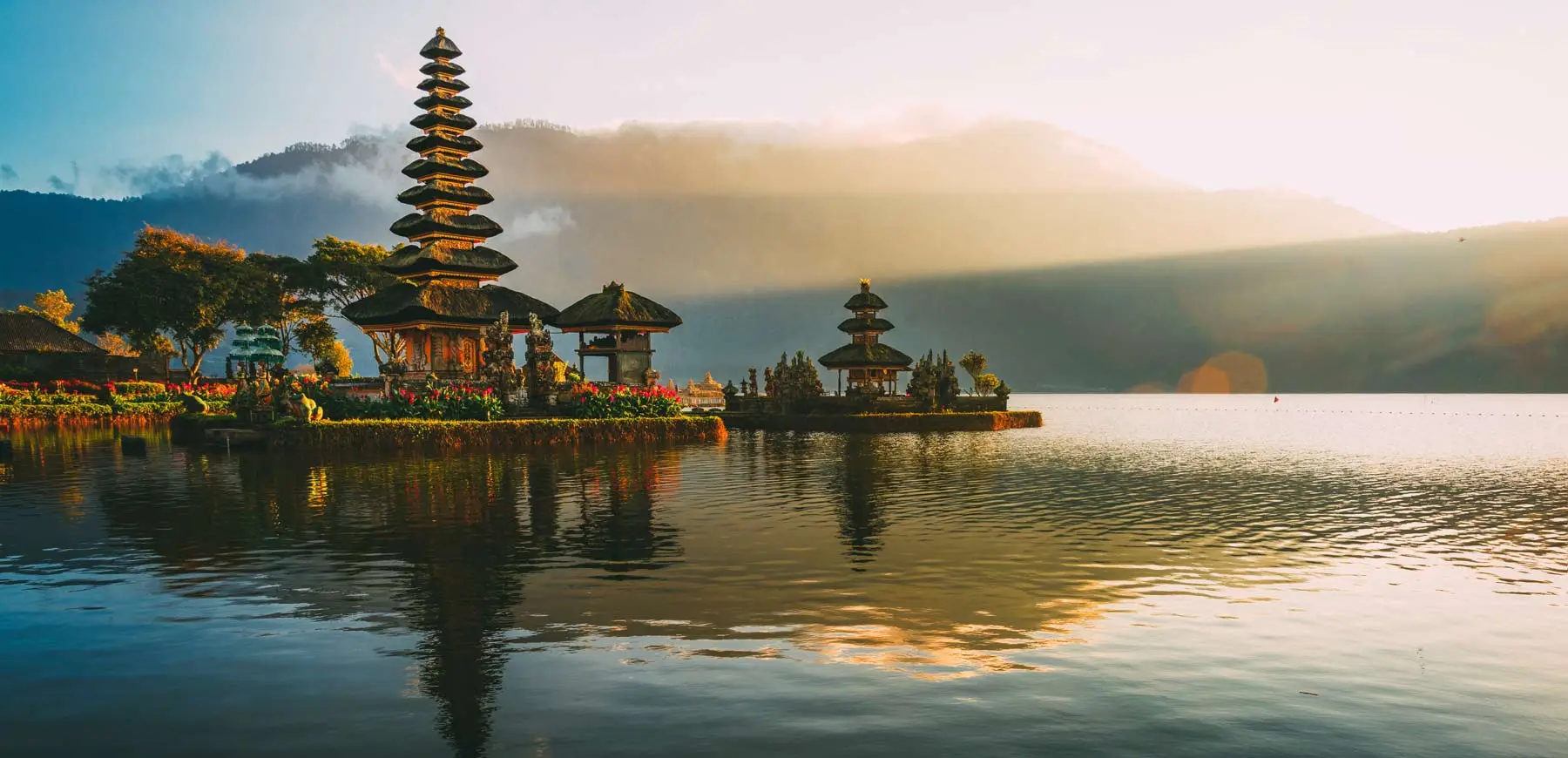

For a long time, the phrase “digital nomad” was synonymous with one specific image: a laptop resting on a wooden table in Canggu, Bali. But as we move through 2026, the narrative has shifted. Indonesia is no longer just a tropical getaway; it has evolved into a sophisticated, permanent ecosystem for the world’s remote workforce.
So, why does this archipelago of 17,000 islands continue to beat out global competitors like Portugal or Mexico? It’s not just the coconuts. It’s a perfect storm of policy, community, and “the passage.”
1. The Legal “Welcome Mat”: The E33G Visa
The biggest game-changer in recent years has been the official Remote Worker Visa (E33G). Previously, nomads had to juggle “business visas” and “border runs.”
Today, Indonesia offers a clear, legal pathway:
- Duration: A dedicated 1-year stay that is renewable.
- The Perk: Tax-free status on income earned outside of Indonesia (as long as you meet specific residency requirements).
- The Message: The Indonesian government isn’t just “tolerating” nomads anymore; they are actively inviting them to help build a knowledge-based economy.
2. Infrastructure That Actually Works
In 2026, “island life” no longer means “bad Wi-Fi.” Indonesia has made massive leaps in digital connectivity.
- Fiber & 5G: You’ll find high-speed fiber optics in almost every major nomad hub, and 5G coverage has expanded across Java, Bali, and parts of Lombok.
- Coworking 2.0: Coworking spaces like Dojo Bali or Outpost have evolved into more than just desks. They are now “coliving” centers that offering networking events, high-end gyms, and even childcare for the growing demographic of “nomad families.”
3. The “Decentralization” of the Nomad Hub
While Bali remains the heartbeat, the nomad community is finally branching out. Indonesia is becoming a “home” because it offers a variety of “vibes” within a single border:
- Lombok: The “Bali of 20 years ago.” It offers world-class surfing and a quieter, more affordable lifestyle in Kuta Lombok.
- Yogyakarta: For the “culture nomad.” It’s an intellectual hub filled with artists, coffee shops, and significantly lower living costs than the coastal towns.
- Bandung: High-altitude, cool temperatures, and a massive tech-startup scene that appeals to developers and creators.
4. Radical Affordability & Quality of Life
The math still checks out. Even as global inflation rises, Indonesia remains a place where $1,500 to $2,500 a month provides a lifestyle that would cost $8,000 in San Francisco or London.
- The “Warung” Factor: You can still get a world-class meal (Nasi Campur) for under $2.
- Luxury Access: Private villas with pools that are out of reach in the West are standard “home offices” here.
Indonesia has realized that a digital nomad isn’t just a tourist; they are a resident passing through a specific phase of their life. By providing the tools for productivity (internet and visas) alongside the tools for soul-searching (culture and nature), the country has made itself more than a destination.
It has become a home base for the global citizen.